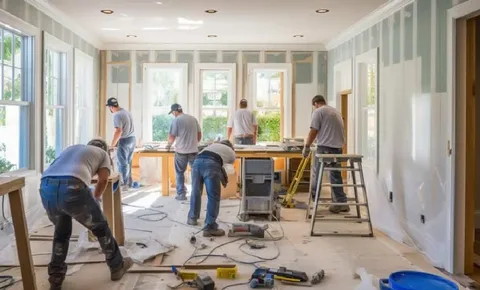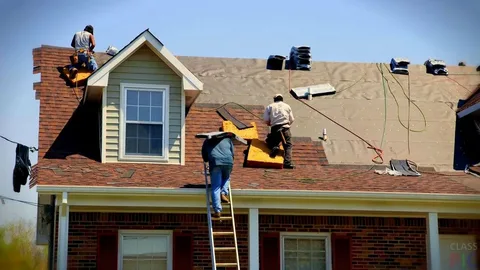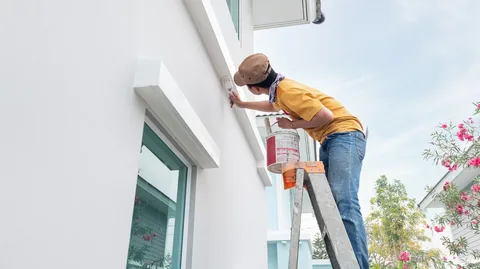
A fresh coat of paint can change the appearance, comfort, and overall feel of a home. However, achieving a clean and lasting finish requires proper preparation, suitable materials, and careful application. Homeowners in Citrus Heights, CA, often consider painting when walls begin to fade, exterior surfaces show signs of weather damage, or rooms need a refreshed appearance. Therefore, choosing the right painting approach can make a noticeable difference.
Interior and exterior surfaces have different requirements. Interior walls need smooth finishes, easy maintenance, and colors that complement each room. Meanwhile, exterior surfaces need durable coatings that handle sunlight, moisture, and changing weather conditions. Reliable expert exterior and interior painting services help address these needs while protecting different parts of a property.
Summit Building Group understands that every home has its own layout, surface conditions, and design preferences. A thoughtful painting project begins with understanding the homeowner’s goals. It also involves selecting appropriate products and preparing every surface correctly. From refreshing living spaces to improving exterior appearance, careful planning supports better results. Homeowners in Citrus Heights and Antelope can benefit from understanding the painting process before starting their next home improvement project.
Understanding the Value of Residential Painting
Residential painting does more than improve the appearance of walls. It also helps maintain surfaces and supports the overall condition of a home. However, successful results depend on selecting the right paint and preparing each area properly.
How Painting Improves Home Appearance
Paint allows homeowners to update their living spaces without making major structural changes. For example, lighter shades can make smaller rooms feel more open. Likewise, deeper colors can create warmth in bedrooms and living areas.
Exterior paint also influences how a property looks from the street. A coordinated color scheme can complement roofing, windows, doors, and landscaping. Therefore, homeowners should consider the entire exterior when choosing colors.
A professional assessment can identify peeling paint, cracks, stains, and damaged surfaces before work begins. Addressing these issues helps create a more consistent finish.
Additionally, quality coatings can provide a protective layer against everyday wear. Interior paint helps maintain walls in busy areas, while exterior products protect suitable surfaces from environmental exposure.
Planning Expert Exterior and Interior Painting Projects
Every painting project needs a clear plan. Homeowners should consider the property’s condition, the areas requiring attention, and their preferred finish. Furthermore, proper planning helps prevent unnecessary delays and material waste.
Choosing Expert Painting Solutions for Different Surfaces
Reliable exterior and interior painting requires different preparation methods and paint selections. Interior walls generally need products designed for indoor conditions. Exterior surfaces require coatings made to handle outdoor exposure.
For example, kitchens and hallways experience frequent contact. Therefore, washable finishes can make routine cleaning easier. In contrast, bedrooms may benefit from softer finishes that create a comfortable atmosphere.
Before selecting products, homeowners should review these practical points:
- Surface condition: Identify cracks, stains, peeling paint, and moisture concerns.
- Paint type: Choose products suitable for the specific surface.
- Color selection: Consider lighting, room size, and existing finishes.
- Project timing: Plan around furniture movement and household activities.
- Finish selection: Compare matte, eggshell, satin, and semi-gloss options.
Moreover, discussing these details before work starts helps everyone understand the project’s scope. A clear plan also makes it easier to estimate materials and expected completion time.
Selecting the Right Paint and Finishes for Your Home
Paint selection affects appearance, cleaning requirements, and long-term maintenance. However, the most expensive product does not automatically provide the best solution. Homeowners should select paint according to surface conditions and everyday use.
Understanding Interior Painting Services
Professional interior painting services can help homeowners create consistent finishes throughout their properties. Different rooms often need different paint characteristics.
For instance, kitchens and bathrooms may require moisture-resistant products suitable for their conditions. Living rooms often benefit from finishes that balance appearance and practical maintenance. Meanwhile, ceilings usually need products designed specifically for overhead surfaces.
Homeowners should also understand common paint finishes:
- Flat finish: Offers a smooth appearance and helps reduce visible surface imperfections.
- Eggshell finish: Provides a subtle sheen for commonly used living spaces.
- Satin finish: Offers easier cleaning for many active household areas.
- Semi-gloss finish: Works well on suitable trim, doors, and cabinets.
Furthermore, proper color testing prevents unexpected results. Paint can appear different under natural and artificial lighting. Therefore, testing sample colors on a small section helps homeowners make informed decisions.
Preparing Exterior Surfaces Before Painting
Exterior preparation plays a major role in the quality of a painting project. Even suitable paint may perform poorly when applied over dirty, damaged, or unstable surfaces. Consequently, preparation should never become an overlooked step.
Practical Preparation for Better Exterior Results
Before applying a new coating, painting professionals should examine the property’s exterior. Different materials require different preparation methods.
Wood siding, stucco, masonry, and previously painted surfaces may need separate treatments. For example, loose paint should be addressed before applying another layer. Similarly, damaged areas may require repairs before painting begins.
Consider these five preparation practices:
- Surface cleaning: Remove accumulated dirt and other loose contaminants.
- Paint removal: Address peeling or unstable coatings where necessary.
- Minor repairs: Fix suitable cracks, gaps, and damaged areas.
- Priming: Apply an appropriate primer when the surface requires it.
- Weather planning: Select suitable conditions for the chosen paint product.
Moreover, homeowners should investigate persistent moisture problems before covering affected surfaces. Otherwise, new paint may not deliver the expected performance.
Proper preparation creates a suitable foundation for the final coating. It also helps reduce common problems associated with poor paint adhesion.
Finding the Best Painting Services for Residential Properties
Choosing a painting contractor involves more than comparing prices. Homeowners should understand the proposed work, product choices, preparation methods, and project expectations.
What to Look for in Painting Professionals
The best painting services should include clear communication and a well-defined project scope. Contractors should explain which surfaces they will prepare, what materials they plan to use, and how they will protect surrounding areas.
When evaluating exterior painting companies in Antelope, CA homeowners should also review their experience with the property’s specific materials. A contractor familiar with wood siding may use different preparation methods than one working primarily with stucco.
Consider these five useful evaluation points:
- Relevant experience: Ask about similar residential painting projects.
- Written estimates: Request clear details about labor and materials.
- Product information: Confirm the recommended paint type and finish.
- Preparation methods: Understand how the contractor handles damaged surfaces.
- Project protection: Discuss furniture covering, flooring protection, and cleanup.
Furthermore, homeowners can review previous project photographs and customer feedback. These details offer useful insight into workmanship and communication.
Summit Building Group recognizes that informed decisions help homeowners approach improvement projects with greater confidence. Therefore, discussing expectations before starting work can help avoid misunderstandings.
Maintaining Painted Surfaces for Long-Term Results
Once a painting project finishes, regular maintenance helps preserve the appearance of the surfaces. However, different materials and finishes require different care methods.
Simple Ways to Protect Painted Areas
Interior walls can collect dust, fingerprints, and everyday marks. Fortunately, routine cleaning helps maintain their appearance. Homeowners should use cleaning products suitable for the paint finish.
Exterior surfaces also need periodic attention. Sunlight, rain, dust, and environmental exposure can gradually affect painted areas. Therefore, regular inspections help identify minor problems before they become more difficult to address.
Here are five practical maintenance recommendations:
- Inspect walls: Check for stains, scratches, and peeling paint.
- Clean gently: Use appropriate cleaning methods for painted surfaces.
- Monitor moisture: Address leaks and dampness promptly.
- Check exterior areas: Look for cracks and coating deterioration.
- Schedule repairs: Correct minor paint damage when needed.
Additionally, keep records of paint colors and product information. These details make future touch-ups easier.
Homeowners should also avoid aggressive scrubbing on delicate finishes. Following the manufacturer’s care instructions helps protect the coating.
Conclusion
Residential painting offers homeowners a practical way to improve appearance and maintain different surfaces. However, successful results depend on thoughtful planning, proper preparation, and suitable paint selection. Each room and exterior material has different requirements. Therefore, understanding these differences helps homeowners make better decisions.
Interior projects can refresh living rooms, kitchens, bedrooms, and other frequently used spaces. Similarly, exterior improvements can give a property a cleaner appearance while helping protect suitable surfaces from environmental exposure. Regular inspections and appropriate maintenance also support the condition of painted areas.
Homeowners researching reliable interior painting services in Citrus Heights, CA, should consider the contractor’s experience, preparation process, product recommendations, and communication. Comparing written estimates can also help clarify the project’s overall scope. Additionally, residents in Antelope can consider similar factors when planning residential improvements.
Summit Building Group understands the value of careful workmanship and informed project planning. By considering surface conditions, color preferences, and practical requirements, homeowners can approach painting projects with realistic expectations.
Ultimately, a successful painting project is not simply about applying a new color. It involves preparing surfaces correctly, selecting suitable materials, and maintaining the finished work. These steps help create attractive and functional living spaces that homeowners can enjoy.
FAQs
1. How often should homeowners repaint their homes?
Repainting schedules depend on surface conditions, paint quality, weather exposure, and everyday use. Inspecting painted areas regularly helps determine when maintenance is necessary.
2. What is the difference between interior and exterior paint?
Interior paint is designed for indoor surfaces and household conditions. Exterior paint is formulated to handle outdoor exposure, including sunlight and moisture.
3. How should homeowners prepare for an interior painting project?
Move small furniture, remove wall decorations, and clear access to the painting areas. Professionals may also recommend additional preparation depending on surface conditions.
4. What factors affect residential painting costs?
Project size, surface condition, paint selection, preparation requirements, and labor all influence the overall cost. Requesting a detailed estimate helps clarify expenses.
5. Can homeowners change their exterior paint color completely?
Yes. However, the existing surface condition, previous coatings, material type, and selected paint may affect preparation and application requirements.