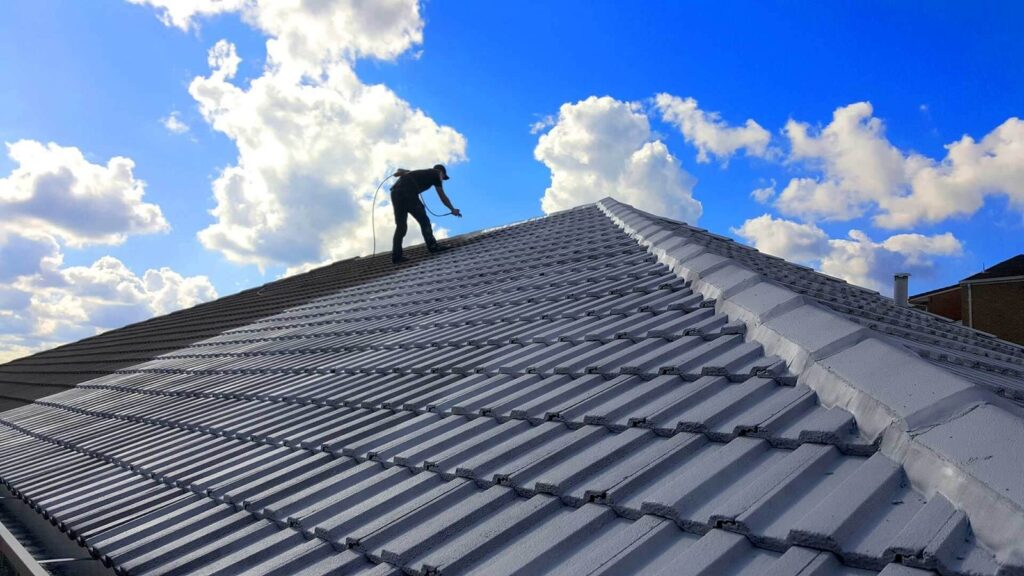
Roofing in Roseville, CA can address leaks, worn shingles, flashing, drainage, inspections, repairs, replacement timing, and long-term weather protection.!
A roof can start showing trouble long before a major leak reaches the living space. Missing shingles, worn flashing, dark ceiling marks, damaged roof edges, and water collecting where it should drain can all indicate that part of the system needs attention. Repeated patching may solve isolated problems temporarily, but recurring leaks often deserve a closer look at the complete roof. Summit Building Group provides residential and commercial construction services, including roof installation, repairs, replacement, and inspections.
A useful roofing plan begins with the source of the problem rather than the most visible symptom. Water can enter around flashing, vents, roof penetrations, damaged materials, valleys, or transitions between different roof sections. It can also travel before appearing inside the building, which means an interior stain may not sit directly beneath the entry point. Understanding the roof’s age, previous repairs, drainage, material condition, and recent weather exposure can help determine whether focused repair or broader replacement should be considered.
Start With a Complete Roof Inspection
The company’s dedicated Roofing service includes new roof installation, roof repairs, replacements, asphalt shingles, metal and flat roofing, flashing, gutters, and roof inspections.
A roof inspection should look beyond one damaged shingle or visible leak. Roof edges, valleys, flashing, penetrations, surface materials, drainage areas, and accessible structural conditions can all provide clues about how the system is performing.
Homeowners should also mention previous leak locations and repairs. A section that has needed attention several times may require a different approach from a new, isolated problem.
Interior signs can be useful too. Ceiling discoloration, peeling paint, damp attic materials, or unusual odors after rain may point toward moisture reaching areas that are not easily visible from outside.
Do Not Assume Every Leak Needs a New Roof
Roof replacement is not automatically the answer to every problem.
Localized damage may sometimes be repairable when the surrounding roofing remains in serviceable condition. A damaged flashing detail, isolated storm impact, or small affected section can require a different scope from widespread deterioration.
Replacement becomes more worth considering when problems appear across several areas, repairs repeatedly return, or the existing roofing system has significant wear.
Homeowners planning roofing service in Roseville, CA should ask what caused the problem and whether surrounding materials remain dependable.
A clear explanation of the roof condition makes it easier to compare repair with replacement instead of choosing based only on the immediate leak.
Watch for Shingle Changes From the Ground
Asphalt shingles can show visible signs of wear that homeowners may notice without climbing onto the roof.
Missing sections, lifted edges, cracked materials, uneven surfaces, or obvious storm damage deserve attention. Granules collecting near downspouts can also be worth mentioning during an inspection, especially when accompanied by other changes.
Avoid walking on the roof simply to investigate these conditions. Roof slopes, loose materials, heat, moisture, and height can make inspection unsafe.
Ground-level observations, attic signs, and professional roof access can provide enough information without unnecessary risk.
The important point is noticing changes before a small damaged area is exposed to repeated rain.
Flashing Is a Common Place to Look for Problems
Roofs contain several transitions where water must be directed carefully.
Chimneys, walls, vents, skylights, valleys, and other penetrations frequently rely on flashing to move water away from vulnerable joints. When flashing becomes loose, damaged, poorly sealed, or incorrectly positioned, water may reach the roof assembly even when nearby shingles appear intact.
This is why replacing surface material alone does not always stop a recurring leak.
The surrounding transition should be evaluated as part of the repair.
Older repairs around flashing also deserve attention. Layers of temporary sealant may hide the original problem without correcting the way water is being directed.
Check Valleys After Heavy Weather
Roof valleys collect runoff from adjoining slopes, which means they can carry substantial water during storms.
Leaves, branches, and other debris may collect in these areas and slow drainage. Damage in a valley can also affect a wider section because water naturally concentrates there.
Homeowners can sometimes identify obvious debris from the ground, but clearing or repairing a valley should be handled with appropriate roof-safety precautions.
If an interior leak appears after especially heavy rain but not during lighter weather, tell the roofing contractor. The timing can provide useful information when evaluating drainage and high-volume runoff areas.
Gutters Are Part of Roof Water Management
The roof and gutter system work together to move rainwater away from the building.
A roof can shed water properly while clogged or damaged gutters allow that water to overflow near fascia, walls, or the foundation. Loose gutters may also affect roof-edge drainage.
Downspouts should have a clear route so collected water can leave the gutter instead of backing up during rain.
Roof replacement is also a good time to inspect gutters and flashing because several components meet along the roof edge.
Drainage problems should not automatically be blamed on roofing material without considering where the water goes after leaving the roof surface.
Understand When Roof Repairs Keep Returning
A repair that fails repeatedly deserves more investigation.
The original leak may have been misidentified, surrounding materials may be deteriorating, or water may be entering from another nearby location. Repairing the same visible area without checking the wider roof can lead to a cycle of temporary fixes.
Homeowners should keep basic records of previous repairs when possible.
Knowing when work was performed, which section was addressed, and whether the leak returned during particular weather conditions can help guide the next inspection.
Repeated problems do not automatically require complete replacement, but they are a reason to evaluate more than the last patched section.
Consider Roof Age Alongside Condition
Roof age can provide context, but it should not be the only reason for repair or replacement.
Two roofs of similar age may have very different conditions depending on materials, installation, weather exposure, ventilation, maintenance, and previous damage.
A newer roof can still develop a localized problem, while an older roof may remain functional if materials and key details are holding up well.
Homeowners should therefore combine age with visible wear, leak history, repair frequency, and inspection findings.
This approach provides a better basis for planning than replacing a roof simply because it has reached a certain number of years.
Coordinate Roofing With Solar or Exterior Projects
Roofing work can overlap with several other property improvements.
Solar installation, exterior painting, gutter replacement, skylight work, additions, and other projects may affect roof access or flashing. Coordinating schedules can prevent one contractor from disturbing work another contractor has just completed.
Homeowners considering solar panels should especially understand the roof’s condition before equipment is installed over it.
If replacement may be needed soon, addressing the roof first can avoid removing and reinstalling equipment unnecessarily.
Planning related exterior work together can reduce repeated access to the same areas and create cleaner transitions between materials.
Choose Roofing Materials Around the Building
Summit Building Group’s roofing page lists asphalt shingles, metal roofing, and flat roofing among its systems.
The appropriate choice depends on the roof design, property type, budget, desired appearance, and existing structure. A material that works well on a steep residential roof may not be appropriate for a low-slope commercial section.
Homeowners should also consider how different roof areas connect.
Properties with additions or mixed roof forms may have more than one slope or drainage condition, requiring careful transition details between sections.
Material selection should follow the actual roof rather than being based only on appearance.
Prepare the Property Before Roof Work Starts
Roofing projects involve materials, equipment, debris, and regular movement around the exterior of the property.
Homeowners can help by moving vehicles away from work areas and identifying landscaping, outdoor furniture, or other items that need protection.
Access to driveways and entrances should be discussed before work begins.
Inside the home, roof construction may create vibration, so fragile belongings on shelves or walls near work areas may need extra attention.
Clear expectations about staging, cleanup, and property access can make both repair and replacement projects easier to manage.
Look at the Attic When Conditions Allow
An accessible attic can provide useful information about roof performance.
Water stains, damp sheathing, darkened framing, damaged insulation, or daylight visible through unexpected openings can all deserve further inspection.
Homeowners should not enter unsafe or difficult attic areas without proper access.
If signs are visible, take note of their location and whether they appear active after rainfall.
Attic ventilation should also be considered during broader roofing work because the roof assembly includes more than exterior materials.
New roofing installed over unresolved moisture or ventilation concerns may leave another part of the system unchanged.
Address Storm Damage Before It Spreads
High winds, falling branches, and heavy weather can damage isolated sections even when a roof was performing normally beforehand.
After significant weather, homeowners can inspect from the ground for missing materials, displaced flashing, damaged gutters, or debris resting on the roof.
Interior spaces should also be checked for new staining.
Avoid climbing onto a wet or damaged roof.
If changes are visible or a leak develops after the storm, professional inspection can help determine whether the issue is localized or whether a larger section was affected.
Early evaluation may prevent repeated rain from reaching the same damaged area.
Plan Antelope Roof Work Around Long-Term Needs
Roof decisions should reflect both the immediate problem and how long the property owner expects the roof system to serve the building.
A small repair may make sense when the rest of the roof is performing well. Broader replacement may deserve consideration when multiple areas are failing or extensive exterior work is already planned.
For property owners considering roof repair and replacement in Antelope, CA, the best decision begins with identifying the condition of the existing materials, flashing, drainage, and previous repairs.
That information can help homeowners avoid replacing a functional system too early or continuing to invest in repeated repairs when deterioration is widespread.
Conclusion
Roofing problems should be evaluated as part of a complete water-management system. Shingles or other surface materials matter, but flashing, valleys, drainage, penetrations, gutters, attic conditions, and previous repairs can all influence whether a roof keeps the building dry.
In Roseville, homeowners dealing with repeated leaks can benefit from identifying the original water-entry point before approving another patch. In Antelope, the same inspection-first approach can help property owners compare focused repair with larger roof replacement when multiple areas show wear.
Summit Building Group provides roofing installation, repair, replacement, and inspection services for residential and commercial properties. Starting with the actual roof condition and planning repairs around the complete system can make it easier to choose work that addresses the real problem rather than only the visible symptom.
Frequently Asked Questions
What roofing services does Summit Building Group provide?
The company’s roofing page includes new roof installation, repairs, full replacements, asphalt shingles, metal and flat roofs, gutter and flashing work, inspections, and maintenance.
Does a roof leak always mean I need a full replacement?
No. Some leaks come from isolated damage or flashing problems that may be repairable. Replacement becomes more relevant when deterioration is widespread or repairs continue to fail.
Why can a roof keep leaking after it has already been repaired?
The original water-entry point may not have been identified, nearby materials may also be damaged, or water may be traveling from another roof transition before appearing indoors.
Should gutters be checked during roofing work?
Yes. Gutters and downspouts are part of the roof’s drainage system. Clogs, loose sections, or poor discharge can create water problems even when the roof surface is working properly.
What should I check after a major storm?
From the ground, look for missing roofing material, damaged gutters, fallen branches, displaced flashing, and new interior water stains. Avoid climbing onto a wet or damaged roof.
How do I decide between roof repair and replacement?
Consider the location and extent of damage, roof condition, repair history, age, material wear, flashing, drainage, and whether problems affect one isolated section or several areas.