Upgrade your home with window replacement in Rocklin, CA. Learn about energy-efficient glass, installation, frame options, signs of damage, and planning.
Why Window Replacement Deserves Careful Planning
Windows influence comfort, natural light, ventilation, security, and energy performance. Older or damaged units may develop drafts, condensation, difficult operation, deteriorated frames, or poor sealing. Replacing them can improve comfort, but the project should begin with an inspection rather than appearance alone.
Summit Building Group provides residential construction and restoration services, including professional window installation and replacement. Its window services include new installation, replacement, energy-efficient options, custom designs, impact-resistant choices, sound-reducing windows, and sliding or folding glass doors.
A successful project considers the opening, frame condition, glass package, operating style, exterior exposure, interior trim, flashing, and installation method. Careful planning helps the new unit perform as part of the wall system instead of functioning as an isolated product.
What Professional Window Replacement Services Include
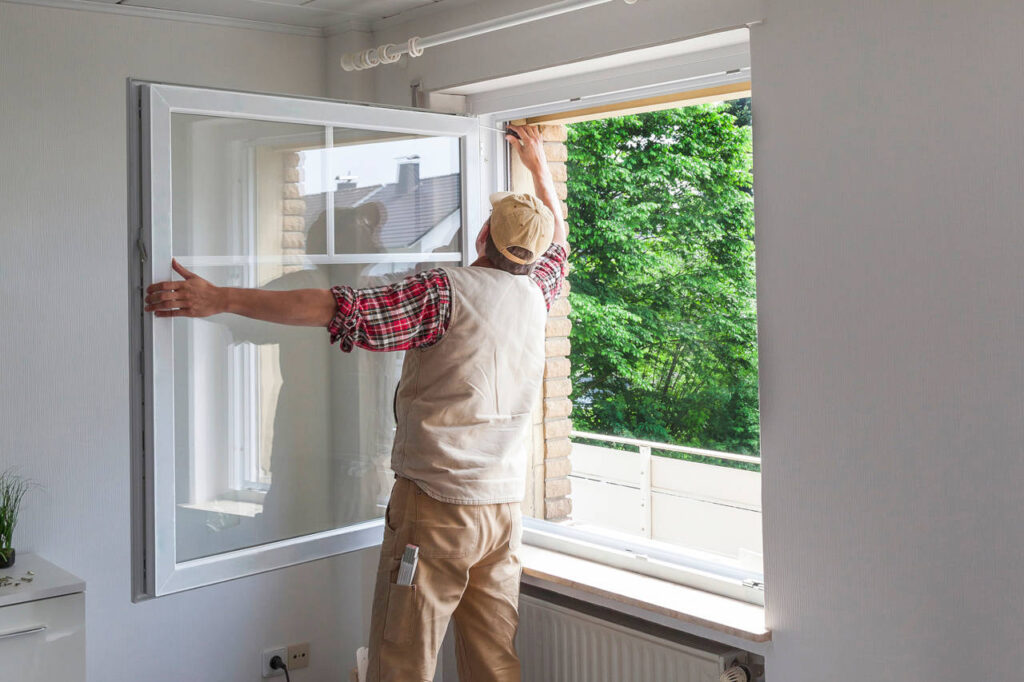
Professional window replacement services can begin with measuring existing openings and reviewing the condition of frames, sills, trim, and surrounding materials. The installer then helps determine whether full-frame replacement or another suitable method makes sense for the property.
The exact installation scope varies by property.
Exact steps vary by window type and building conditions. The important goal is a secure, weather-managed installation that allows the window to open, close, lock, and drain as designed.
Signs It May Be Time to Replace Windows
Some windows remain serviceable for years with routine maintenance, while others develop problems that make replacement worth considering.
Common warning signs include:
- Persistent drafts around closed windows
- Fogging between insulated glass panes
- Frames that are rotting or deteriorating
- Windows that stick or refuse to open
- Locks that no longer align correctly
- Water staining around openings
- Cracked glass or damaged seals
- Excessive outside noise
- Noticeable temperature differences near windows
- Repeated repairs to the same units
One symptom does not automatically mean every window in the house needs replacement. A professional assessment can help determine whether the problem is limited to one unit, several openings, or a larger group of aging windows.
Energy-Efficient Window Installation in Rocklin, CA
Homeowners considering energy-efficient window installation in Rocklin, CA should compare more than frame color and glass appearance. Modern windows can use insulated glass, Low-E coatings, multiple panes, improved spacers, and tighter weather seals to reduce unwanted heat transfer.
Performance depends on selecting a product suitable for the opening and installing it correctly. Even a high-performance window can allow air or water leakage if gaps, flashing, or perimeter sealing are handled poorly.
Homeowners should also think about where each window is located. Large windows receiving strong sun may have different performance priorities from smaller shaded openings. Bedrooms, living areas, kitchens, and street-facing rooms may also require different combinations of ventilation, privacy, natural light, and noise control.
A complete plan matches window features to how each room is actually used.
Understanding Double-Pane and Triple-Pane Glass
Insulated glass units contain two or more panes separated by a sealed space. This design can reduce heat transfer compared with traditional single-pane glass.
Double-pane windows are common in residential replacement projects. Triple-pane products add another layer of glass and another insulating space, but they may also cost more and weigh more. The best choice depends on project goals, window size, climate considerations, frame design, and budget.
Homeowners should avoid assuming that the window with the most panes is automatically the best choice. Overall product performance includes the glass, frame, spacer system, seals, installation, and opening design.
Ask for performance information for the complete window rather than focusing on one feature.
Low-E Glass and Solar Heat Control
Low-emissivity, or Low-E, coatings are thin layers applied to glass surfaces to influence heat transfer. Different coatings can be designed to manage solar heat gain while still allowing useful daylight into the room.
This can be especially valuable on windows that receive significant sun exposure.
However, glass selection should match the orientation and goals of the property. A room that needs maximum daylight may have different priorities from a space where afternoon heat is the main concern.
Window professionals can explain how glass packages differ without relying only on marketing terms.
Homeowners should also remember that curtains, shades, exterior overhangs, landscaping, and building orientation affect how much heat and glare reach the interior. Window performance is one part of a broader comfort strategy.
Choosing the Right Window Style
Operating style affects ventilation, cleaning, furniture placement, and appearance.
Common choices include single-hung, double-hung, casement, sliding, picture, bay, bow, and specialty-shaped windows. Each works differently.
Casement windows open outward and can provide strong ventilation. Sliding windows move horizontally and can be practical where exterior clearance is limited. Picture windows provide broad views and natural light, while bay and bow windows can add architectural interest.
Before selecting a style, consider how the room is furnished and how the window will be reached. An attractive unit can become inconvenient if furniture blocks operation or if the opening direction conflicts with an exterior walkway.
Full-Frame Replacement Versus Insert Replacement
Not every window replacement uses the same installation method.
An insert replacement may fit a new window within portions of an existing frame when conditions allow. Full-frame replacement removes more of the old assembly and provides greater access to the original opening.
Full-frame work may be appropriate when frames are deteriorated, dimensions need significant changes, or the homeowner wants to address surrounding components. Insert installation can sometimes preserve more existing trim and reduce disruption.
The right approach depends on the condition of the opening and the goals of the project.
Homeowners should ask exactly what will be removed and what will remain. Clear scope descriptions help prevent misunderstandings about trim, sills, exterior finishes, and repair responsibilities.
Custom Window Installation for Unique Openings
Some homes have openings that do not match standard sizes or shapes. Custom window installation can help when a property includes large picture windows, unusual architectural openings, bay or bow designs, or specialty shapes.
Accurate measurement becomes especially important because custom products may have longer manufacturing times and limited adjustment once delivered.
The installer should verify rough opening conditions, finished dimensions, frame depth, trim requirements, and exterior transitions before ordering.
Changing the size of an opening can also affect framing, siding, stucco, interior drywall, electrical components, and structural considerations. These changes should be planned before the window order is finalized.
Custom work can provide a better architectural fit, but it requires careful coordination from measurement through final finishing.
Home Window Replacement in Folsom, CA
Homeowners planning home window replacement in Folsom, CA should begin by prioritizing the rooms and problems that matter most. Some properties benefit from replacing all windows together, while others can be approached in phases.
Bedrooms may prioritize ventilation, while living areas may favor larger glass areas and natural light. Street-facing rooms may benefit from noise-reduction features. Kitchens and bathrooms may need window styles that work around cabinets, counters, or limited wall space.
When replacing several units, homeowners should decide whether they want a consistent appearance across the exterior. Frame profiles, grille patterns, colors, and opening styles can influence the overall look of the property.
Planning the group together helps avoid mismatched choices later.
Why Correct Flashing Is Important
Windows are openings in the exterior wall, so water management is essential.
Flashing helps direct water away from vulnerable joints around the opening. The exact materials and sequence depend on the wall system, existing conditions, and installation method.
Sealant alone should not be treated as the only defense against water. Exterior joints, sill conditions, drainage paths, and compatible flashing materials should work together.
If water damage is discovered after an old window is removed, the source and extent should be evaluated before the new unit covers the opening.
Installing a new window over unresolved deterioration can hide a problem rather than solve it.
Air Sealing Around the Frame
Small gaps around a replacement window can allow unwanted air movement even when the unit itself is efficient.
Appropriate insulation and sealing around the frame help connect the window to the surrounding wall. Materials should be installed without distorting the frame or preventing normal operation.
After installation, the sash should move smoothly and locks should align correctly.
Homeowners can also pay attention to trim edges and perimeter joints after the project is complete. Visible gaps or unusual drafts deserve attention.
A quality installation focuses on the transition between the window and the building, not just the glass and frame.
Noise Reduction and Window Upgrades
Traffic, nearby activity, landscaping equipment, and neighborhood noise can affect indoor comfort. Some replacement windows are designed with glass and frame features that improve sound reduction.
However, windows are not the only path for sound. Doors, walls, attic assemblies, vents, and gaps can also transmit noise.
If quieter rooms are a major goal, explain the problem before products are selected. A professional can discuss window options suited to noise control and whether other building areas may also need attention.
Sound performance can be particularly important for bedrooms, home offices, nurseries, and street-facing living spaces.
Planning the Installation Day
Before installers arrive, clear furniture, window treatments, decorations, and fragile items away from the work area. Provide enough interior space for safe access to each opening.
Outside, move furniture, planters, or stored items that may block the installation area.
Ask how the crew will protect floors and interior finishes, how removed windows will be handled, and whether pets should be kept in another room.
Weather can also affect scheduling because openings may be temporarily exposed during replacement.
Good preparation helps the crew work efficiently and reduces unnecessary disruption inside the home.
Questions to Ask Before Choosing New Windows
Useful questions include:
- Which window type suits each room?
- Is full-frame replacement necessary?
- What glass package is recommended?
- How will the opening be flashed?
- How are gaps around the frame insulated?
- What trim work is included?
- Are damaged framing repairs included?
- How long will custom windows take to arrive?
- What happens if hidden damage is discovered?
Clear answers make it easier to compare complete installation plans rather than judging windows only by brand or appearance.
Conclusion
Window replacement can improve comfort, appearance, ventilation, security, natural light, and energy performance when the project is planned around the entire opening.
Homeowners should evaluate existing frame conditions, glass options, operating styles, flashing, air sealing, trim, and room-specific needs before ordering new units. Energy-efficient windows perform best when they are properly sized and carefully integrated with the surrounding wall.
Custom designs, insulated glass, Low-E coatings, and noise-reducing options can address different priorities, but installation quality remains essential.
By inspecting each opening, choosing appropriate products, preparing the home, and asking clear questions about the installation method, property owners can make replacement decisions that support reliable operation and long-term comfort.
Frequently Asked Questions
What are the main signs that windows need replacement?
Common signs include persistent drafts, fogging between panes, deteriorated frames, difficult operation, damaged seals, water staining, broken locks, or repeated problems with the same windows.
Are double-pane windows energy efficient?
Double-pane windows can reduce heat transfer compared with many single-pane designs. Overall efficiency also depends on Low-E coatings, frame construction, seals, spacers, and installation quality.
Should I replace every window at the same time?
Not always. Some homeowners replace all units together for consistency, while others prioritize damaged or inefficient windows and complete the work in phases.
What is a full-frame window replacement?
Full-frame replacement removes more of the existing window assembly and exposes more of the original opening. It can be useful when frames are damaged or significant changes are needed.
Can replacement windows help reduce outside noise?
Certain insulated and sound-reducing window designs can help reduce noise, but walls, doors, vents, and other openings also affect how much exterior sound enters a room.
Why is professional installation important for new windows?
Correct installation helps manage water, air leakage, alignment, operation, insulation, and flashing. A high-quality window can still perform poorly if the opening is prepared or sealed incorrectly.