Restore your Folsom, CA property after leaks, flooding, or moisture problems with reliable Water damage restoration services. Get professional support to help protect your home. A damaged pipe behind a wall or an unexpected storm can quickly create a serious household issue. Moisture can spread fast, harm construction materials, and create situations that require immediate attention. For homeowners in Folsom, CA, Water damage restoration services offer a solution for handling these concerns early and reducing the risk of additional damage. This guide shares information from Summit Building Group about what local property owners should know before selecting restoration support.
What Water Damage Restoration Involves for Folsom, CA Properties
Water damage restoration is the process of removing excess moisture, drying impacted areas, repairing affected materials, and returning the property to a safe and usable condition. The process involves more than removing visible water because moisture can travel behind walls, beneath flooring, and into areas that are not easily seen.
A proper restoration process may include:
- Water removal using professional pumps and extraction equipment
- Moisture detection through meters and inspection tools
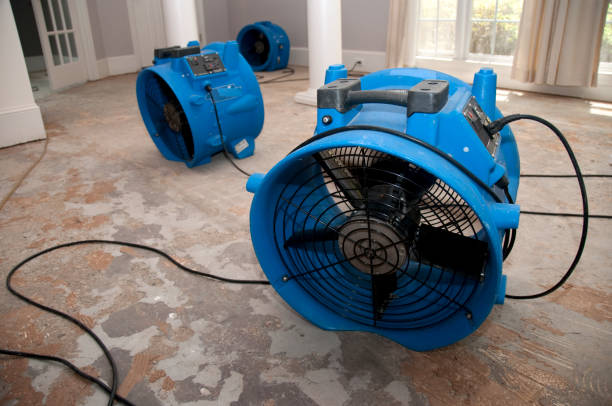
- Drying with air movers and dehumidifiers
- Removal of damaged drywall, flooring, or insulation when necessary
- Cleaning and treatment of affected surfaces
- Repairs after the structure has been fully dried
Every water situation requires a different response. A broken supply pipe, appliance overflow, roof leak, or storm-related water intrusion can create different types of damage depending on where the moisture enters and how long it remains.
Many homeowners begin searching for reliable Water damage services after finding standing water, unpleasant odors, visible stains, or changes in indoor comfort. Acting quickly can help limit the damage because moisture may continue moving through materials even after the original leak has been repaired.
In Folsom, CA,we’ve noticed that most homeowners underestimate how quickly water can travel through today’s building materials. A small leak near a kitchen cabinet or bathroom plumbing connection can spread into flooring, trim, and drywall before noticeable signs appear.
Folsom, CA’s local climate brings its own concerns. Although the area does not receive constant heavy rainfall, seasonal storms and plumbing failures can still cause unexpected water issues. Homes with older plumbing systems, aging roofing materials, or areas with poor exterior sealing may face higher risks during periods of strong rain.
Another challenge is moisture that remains hidden. Many property owners believe the problem is resolved once surfaces appear dry. However, water trapped behind walls or below flooring can continue affecting the structure and may increase the possibility of mold development if it is not properly addressed.
Restoration professionals use moisture meters and thermal inspection equipment to identify affected areas that cannot be seen during a basic inspection. These tools help locate the full extent of the issue so repairs can focus on the actual source rather than only visible damage.
The Real Challenge Homeowners Face After Water Damage in Folsom, CA,
The main challenge after water damage is determining what requires immediate action. Homeowners may remove standing water and clean visible areas but overlook moisture that has entered drywall, insulation, subfloors, or other structural components.
Cost is another concern many property owners have. Some hesitate to contact restoration professionals because they fear the damage is minor or that the repair process will become too expensive. Early inspection can often help prevent small moisture problems from developing into larger restoration projects.
A client in Folsom, CA,contacted us after noticing water marks spreading across a ceiling after an upstairs plumbing problem. At first, the visible damage seemed limited, but an inspection found moisture affecting sections of the ceiling material underneath. After removing affected areas, drying the space, and completing repairs, the homeowner restored the room before the issue became more extensive.
A question many restoration guides do not fully explain is whether every water-damaged material needs to be replaced. The answer depends on the type of material, the length of time it remained wet, and whether proper drying methods can restore its condition. Some materials can be preserved, while others require removal for health and safety reasons.
Homeowners should also remember that water damage does not only come from major flooding events. Smaller problems, including leaking appliances, damaged water heaters, broken supply pipes, and blocked drains, can create serious property damage if ignored over time.
Searching for the Best Water damage restoration provider often focuses on response time, but experience with moisture assessment is just as important. A fast arrival helps, but accurate inspection and proper drying methods determine whether the repair work lasts.
A quality restoration process should include documentation, clear communication, and an explanation of what needs to happen at each stage. Property owners deserve to understand why certain materials are removed and why specific drying steps are recommended.
How Summit Building Group Approaches Water Damage Differently
Every water damage situation has its own set of challenges. A bathroom leak, storm intrusion, or failed appliance can affect different parts of a home depending on where the moisture travels and how long it remains untreated. A careful inspection helps determine the right steps instead of relying on assumptions.
Summit Building Group focuses on identifying the source of moisture, checking affected areas, and creating a clear plan for drying and repairs. The process starts with assessing visible damage along with areas that may be affected behind walls, under flooring, or inside ceilings.
A Best restoration approach includes several important steps:
- Finding the source of the water problem
- Measuring moisture levels throughout affected areas
- Removing materials that cannot be restored
- Using drying equipment to reduce trapped moisture
- Checking progress before repairs begin
One area where many generic restoration guides fall short is explaining what happens after the water is removed. Drying is not simply about making a room feel dry. Materials such as wood framing, drywall, and flooring can hold moisture internally, so proper monitoring is needed before rebuilding starts.
Another overlooked concern is whether homeowners can remain in the property during restoration. The answer depends on the severity of the damage, the areas affected, and whether the home remains safe. A Best assessment can help determine if temporary relocation is necessary or if limited access is possible.
The restoration industry also includes many companies that focus mainly on emergency response but provide little information about repair quality afterward. A complete recovery involves both moisture removal and restoring the damaged areas properly.
Practical Tips: What to Know Before Choosing Water Damage Help
Taking the right steps after water damage can reduce stress and help protect your home. Before hiring a restoration company, homeowners should consider several important factors.
First, address the source of the water if it is safe to do so. Turning off a water supply valve after a plumbing failure or stopping an appliance leak can prevent additional damage. Electrical hazards should always be considered before entering wet areas.
Homeowners should also document the damage. Photos and videos of affected rooms, damaged materials, and the source of the problem can help with insurance discussions.
Useful questions to ask a restoration provider include:
- How will moisture levels be checked?
- What equipment will be used for drying?
- Which materials can be restored?
- How long will the drying process take?
- Will repairs be handled after cleanup?
Working with clients in Folsom, CA, our team found that many homeowners wait until visible damage becomes severe before requesting help. Small signs like musty smells, bubbling paint, warped flooring, or soft drywall can indicate moisture problems that deserve attention.
A local tip for Folsom, CA residents is to inspect areas around water heaters, washing machines, sinks, and exterior doors before storm season. These locations often reveal early signs of leaks before major damage occurs.
Homeowners searching for Water damage restoration assistance should also consider experience with different types of damage. A company familiar with plumbing leaks, storm water entry, and structural drying can better understand the different challenges each situation creates.
Preventive steps also matter after repairs are complete. Maintaining plumbing fixtures, checking roof conditions, cleaning gutters, and addressing small leaks early can reduce the chance of future problems.
Protect Your Folsom, CA Property With Timely Restoration Support
Water damage can affect more than the appearance of a home. Fast evaluation, proper drying, and careful repairs help protect the structure and prevent avoidable complications. Homeowners needing water damage restoration services in Folsom, CA, can contact Summit Building Group for guidance on assessing damage and planning the next steps.
FAQs
How much do water damage restoration services cost in Folsom, CA,?
The cost depends on the size of the affected area, the source of the water, materials damaged, and the amount of drying required. Minor issues may need limited cleanup, while larger losses involving walls, flooring, or structural materials require more work. An inspection helps determine the expected restoration needs.
How do I know a water damage company is trustworthy?
A reliable restoration provider should explain the process, use proper moisture testing equipment, provide clear documentation, and communicate each repair stage. Look for experience, Best equipment, and positive local feedback. A trustworthy company should answer questions openly instead of rushing homeowners into unnecessary services.
How quickly should I respond after water damage occurs?
Quick action is recommended because moisture can spread into materials that are not immediately visible. Removing standing water, stopping the source, and beginning drying steps early may help reduce damage. Waiting too long can increase the chance of material deterioration, odors, and additional repair requirements.
Can damaged flooring and drywall always be saved?
Not every material needs replacement. Some items can be dried and restored if addressed quickly, while others may need removal if they absorbed too much moisture or developed damage. Best s evaluate the material condition, moisture levels, and safety concerns before deciding whether repair or replacement is appropriate.
Does insurance cover water damage restoration?
Coverage depends on the cause of the water damage and the details of the homeowner’s policy. Sudden issues like certain pipe failures may qualify, while long-term maintenance problems may not. Homeowners should review their policy and document the damage carefully before beginning restoration work.