Professional restoration services in Elk Grove, CA help address water, fire, smoke, and mold damage with cleanup, drying, repairs, and rebuilding services.
Property damage can develop quickly after a water leak, fire, smoke event, or mold-related problem. Flooring may absorb moisture, drywall can become damaged, smoke residue can spread beyond the original fire area, and hidden moisture can remain after visible water is removed. Summit Building Group provides residential and commercial restoration services throughout the Sacramento region, including water damage restoration, fire and smoke damage repair, mold remediation, structural repairs, drying, cleanup, and rebuilding. A successful restoration project starts by identifying the source and extent of the damage before cosmetic repairs begin. Property owners in Elk Grove, Sacramento, and nearby communities should also consider safety, moisture levels, affected materials, ventilation, structural condition, and whether additional damage may be hidden behind walls or flooring. This guide explains professional property restoration, water extraction, fire and smoke cleanup, mold remediation, drying, repairs, and the planning required to return damaged areas to usable condition.
What Property Restoration Services Include
Professional property restoration services can address damage caused by water, fire, smoke, mold, leaks, burst pipes, flooding, and other unexpected property events.
The exact restoration process depends on what happened and which building materials were affected.
Water damage may require extraction, drying, dehumidification, removal of damaged materials, and repairs.
Fire damage can involve structural concerns as well as smoke residue, soot, odors, and damaged finishes.
Mold-related projects may require inspection, containment, removal of affected materials, filtration, cleaning, and correction of the moisture source that allowed growth to develop.
Restoration work should be planned in stages. Cleanup alone may not restore a property if flooring, drywall, framing, cabinets, or other components have been damaged.
The contractor should first stabilize the affected area and then determine what can remain, what requires repair, and what needs replacement.
Restoration Services in Elk Grove, CA
Property owners looking for restoration services in Elk Grove, CA may need help after water intrusion, fire damage, smoke exposure, mold concerns, or other building damage.
The dedicated Elk Grove page specifically supports restoration work alongside the company’s broader construction services.
The first step should be understanding whether the source of the damage is still active.
A leaking pipe should be repaired before damaged drywall is rebuilt. Roof-related water entry should be addressed before ceiling finishes are restored. Fire-damaged areas should be evaluated before new materials are installed over compromised surfaces.
Property owners should also avoid assuming that the visible damage represents the entire problem.
Water can move beneath flooring and into wall cavities. Smoke can affect adjoining rooms. Moisture can remain inside materials after the surface appears dry.
A professional assessment helps determine how far restoration work needs to extend.
Property Restoration in Sacramento, CA
Homeowners and businesses needing property restoration in Sacramento, CA may be dealing with storm damage, water intrusion, smoke damage, structural repairs, or other conditions requiring cleanup and rebuilding.
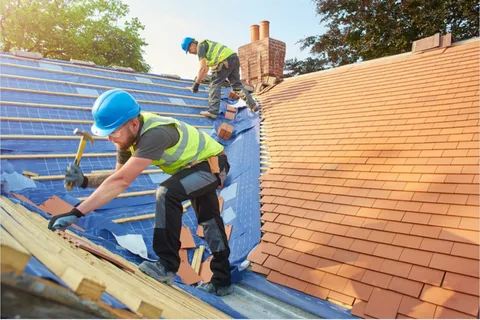
The Sacramento area page includes storm-related restoration within the company’s roofing and construction services, while Summit’s dedicated restoration page covers water, fire, smoke, and mold-related work.
Commercial properties may require additional planning because damaged areas can affect customers, employees, equipment, inventory, or normal business operations.
A residential project may involve bedrooms, kitchens, bathrooms, basements, garages, or other areas that need to be dried and rebuilt.
In both cases, work should be organized so affected materials are addressed before final finishes are installed.
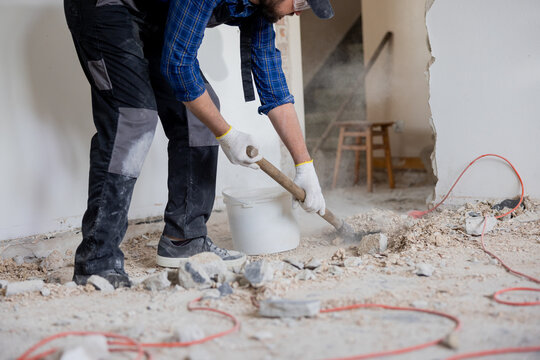
Property owners should document the condition of the space and discuss the full project scope before demolition or repairs begin.
Water Damage Restoration and Extraction
Water damage can result from plumbing failures, roof leaks, appliance problems, flooding, or other sources.
Standing water should be removed as soon as conditions allow because prolonged exposure can affect flooring, drywall, cabinetry, trim, insulation, and stored belongings.
Water extraction removes the main accumulation, but drying usually continues after visible water is gone.
Moisture may remain in porous building materials or areas that are difficult to see.
Professional drying equipment and dehumidification can help reduce remaining moisture in affected spaces.
The original source also needs attention.
Replacing damaged flooring without repairing the leak that caused the problem can lead to repeated damage.
Restoration should therefore connect water removal, drying, source correction, and rebuilding instead of treating those tasks as separate problems.
Drying and Dehumidification After Water Damage
Drying is one of the most important stages after water extraction.
A room can look dry while moisture remains in flooring, lower wall sections, cabinets, framing, or other materials.
Industrial air movement and dehumidification equipment may be used to support the drying process depending on the extent of the damage.
The contractor can also evaluate which materials can dry in place and which are too damaged to remain.
Homeowners should avoid immediately repainting walls or installing new flooring over areas that have not been adequately evaluated.
Covering moisture too early can make later problems harder to identify.
Drying time varies according to the amount of water, type of material, ventilation, temperature, and other site conditions.
The property should be assessed based on actual conditions rather than assuming every water event follows the same timeline.
Fire and Smoke Damage Restoration
Fire damage can affect more than the area where flames were visible.
Heat may damage structural materials and finishes, while smoke and soot can move through adjacent rooms.
Summit Building Group’s restoration service includes fire and smoke cleanup, structural reinforcement, odor treatment, and rebuilding.
The first priority is determining which areas are safe to access.
Damaged structural components may need temporary stabilization before cleanup progresses.
Soot and smoke residue should also be treated according to the surfaces affected.
Walls, ceilings, cabinets, flooring, furniture, and other materials may respond differently to cleaning.
Some components can be restored, while others may require replacement.
Odor control may also be part of the process because smoke can remain in porous materials after visible residue has been cleaned.
Mold Remediation and Moisture Control
Mold-related problems often begin with unwanted moisture.
A roof leak, plumbing leak, flooding event, condensation issue, or another water source may create conditions where growth develops on building materials.
Removing affected material without correcting the moisture source can allow the same problem to return.
Professional remediation can involve inspection, containment, filtration, removal, cleaning, and treatment of the affected area.
Containment helps separate the work zone from surrounding spaces during removal.
Air filtration may also be used as part of the cleanup process.
Once affected materials are addressed, the source of moisture should be corrected before repairs are completed.
Property owners should also understand that staining and visible growth can occur in areas that are difficult to access, including wall cavities, flooring systems, and other concealed locations.
Structural Repairs After Property Damage
Some restoration projects require more than cleaning and drying.
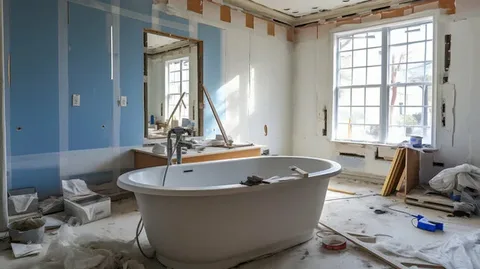
Water, fire, or prolonged moisture can damage framing, subflooring, drywall, flooring, and other building components.
Structural concerns should be evaluated before decorative finishes are replaced.
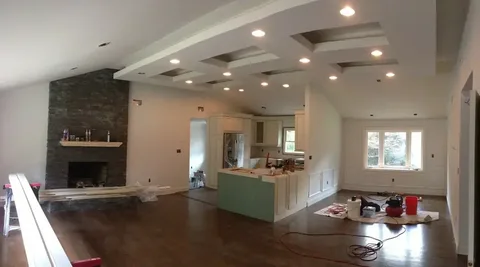
Damaged drywall can be removed and rebuilt, while affected flooring may need partial or full replacement depending on its condition.
Framing or other structural components may require repair when damage is significant.
Rebuilding should follow the same careful planning as any other construction project.
Measurements, material selection, sequencing, electrical work, plumbing, flooring, painting, and finish installation may all need coordination.
The goal is not simply to make the room look normal again. The damaged building components should first be restored to suitable condition.
Restoration During Insurance Claims
Some property owners may need to coordinate restoration work with an insurance claim.
Summit Building Group states that it assists with insurance coordination for qualifying restoration projects.
Property owners should document visible damage before cleanup changes the condition of the space when it is safe to do so.
Photographs, affected-room lists, damaged-material notes, and repair estimates can help organize project information.
The contractor can explain which restoration work is required from a construction standpoint, while insurance coverage decisions remain with the policy and insurer.
Homeowners should understand the proposed work scope before repairs begin.
That scope can identify demolition, drying, cleanup, structural work, flooring, drywall, painting, or other rebuilding tasks.
Clear documentation helps keep restoration decisions organized when several parties are involved.
Repairing Flooring, Drywall, and Interior Finishes
Flooring and drywall are commonly affected during water and fire damage.
Carpet can absorb water quickly, while wood and laminate products may swell or distort under certain conditions.
Tile may remain intact even when moisture affects material underneath it.
Drywall can develop staining, soft areas, or damage near the source of water or fire.
The contractor should determine which materials can remain and which need replacement.
Cabinets, trim, doors, and paint may also require attention depending on the extent of exposure.
Finish selections can be coordinated during rebuilding so repaired areas blend with surrounding rooms.
For larger damage events, homeowners may choose to update some finishes while restoration is already underway, but those changes should be separated clearly from work required to repair the original damage.
Preventing Repeat Property Damage
Restoration should address the cause of the damage whenever possible.
A burst pipe requires plumbing repair. Roof leaks require roofing correction. Drainage problems may need exterior improvements. Moisture-related mold should be connected with the condition that created excess moisture.
Property owners should also pay attention to warning signs after restoration.
New stains, unusual odors, damp materials, repeated leaks, or changes around repaired areas deserve investigation.
Regular property maintenance can reduce certain risks.
Roofing, plumbing connections, water-using appliances, gutters, drainage areas, and HVAC systems should be monitored according to their normal maintenance needs.
No property can be protected from every unexpected event, but correcting the source of previous damage can reduce the chance of the same failure recurring.
Choosing a Property Restoration Contractor
A restoration contractor should be able to explain both the immediate cleanup and the rebuilding process.
Ask what caused the damage, which materials are affected, and which parts of the property require drying, cleaning, repair, or replacement.
Property owners should also understand whether structural repairs, flooring, drywall, painting, or other construction work are included.
For water damage, discuss how moisture will be evaluated after extraction.
For fire damage, ask how smoke and soot will be handled.
For mold-related work, understand how the affected area will be contained and how the moisture source will be addressed.
Summit Building Group provides both restoration and construction services, allowing cleanup and rebuilding needs to be considered as parts of the same property-recovery project.
A clear scope can make the restoration process easier to follow from the first assessment through final repairs.
Conclusion
Property restoration can help homeowners and businesses recover after water damage, fire, smoke, mold, leaks, flooding, and other unexpected building problems.
For properties in Elk Grove and Sacramento, successful restoration starts with identifying the source and extent of the damage before cosmetic repairs begin.
Water may require extraction and drying, while fire damage can involve smoke, soot, structural concerns, and odor treatment. Mold-related work should include attention to the moisture condition that contributed to the problem.
Damaged drywall, flooring, framing, cabinets, and other materials should be evaluated before rebuilding.
Summit Building Group combines restoration and construction services for projects that require both cleanup and property repairs.
By stabilizing the affected area, addressing hidden moisture or damage, and coordinating repairs in the correct order, property owners can move from initial damage toward a safer, cleaner, and functional restored space.
Frequently Asked Questions
What types of damage can property restoration address?
Restoration services can address water damage, fire and smoke damage, mold-related problems, damaged flooring, structural repairs, drywall damage, and rebuilding needs.
Does water extraction completely finish a water damage project?
Not always. After visible water is removed, additional drying, moisture evaluation, cleanup, material removal, or repairs may still be necessary.
Can smoke damage affect rooms away from the fire?
Yes. Smoke and soot can move beyond the immediate fire area and may affect walls, ceilings, furnishings, and other surfaces in adjoining spaces.
Should mold be removed before repairing damaged walls?
The affected area and moisture source should be evaluated first. Remediation and moisture correction should occur before final rebuilding covers the area.
Can damaged flooring be replaced during restoration?
Yes. Flooring replacement may be part of a restoration project when water, fire, smoke, or other damage has made the existing material unsuitable to remain.
Why should the source of property damage be repaired first?
Correcting the original leak, drainage issue, roof problem, or other source helps reduce the chance that newly restored materials will be damaged by the same condition again.