Repair
Seams, punctures, flashings, curbs and drains on a roof that is otherwise sound.

We install, replace, repair and maintain TPO and PVC roofing systems on commercial and industrial buildings across the Sacramento region, starting with the condition of the roof you have, including trapped moisture, so the new system is built on a sound, dry assembly.
TPO and PVC seams are welded into a continuous waterproof layer.
Both membranes are commonly white and reflective.
California’s energy code includes cool roof requirements for many low-slope reroofs. We confirm what applies.
Licensed general and roofing (C-39) contractor.
Whether a roof needs repair, restoration or full replacement depends on its condition. A roof moisture assessment shows how much insulation is wet before you choose.
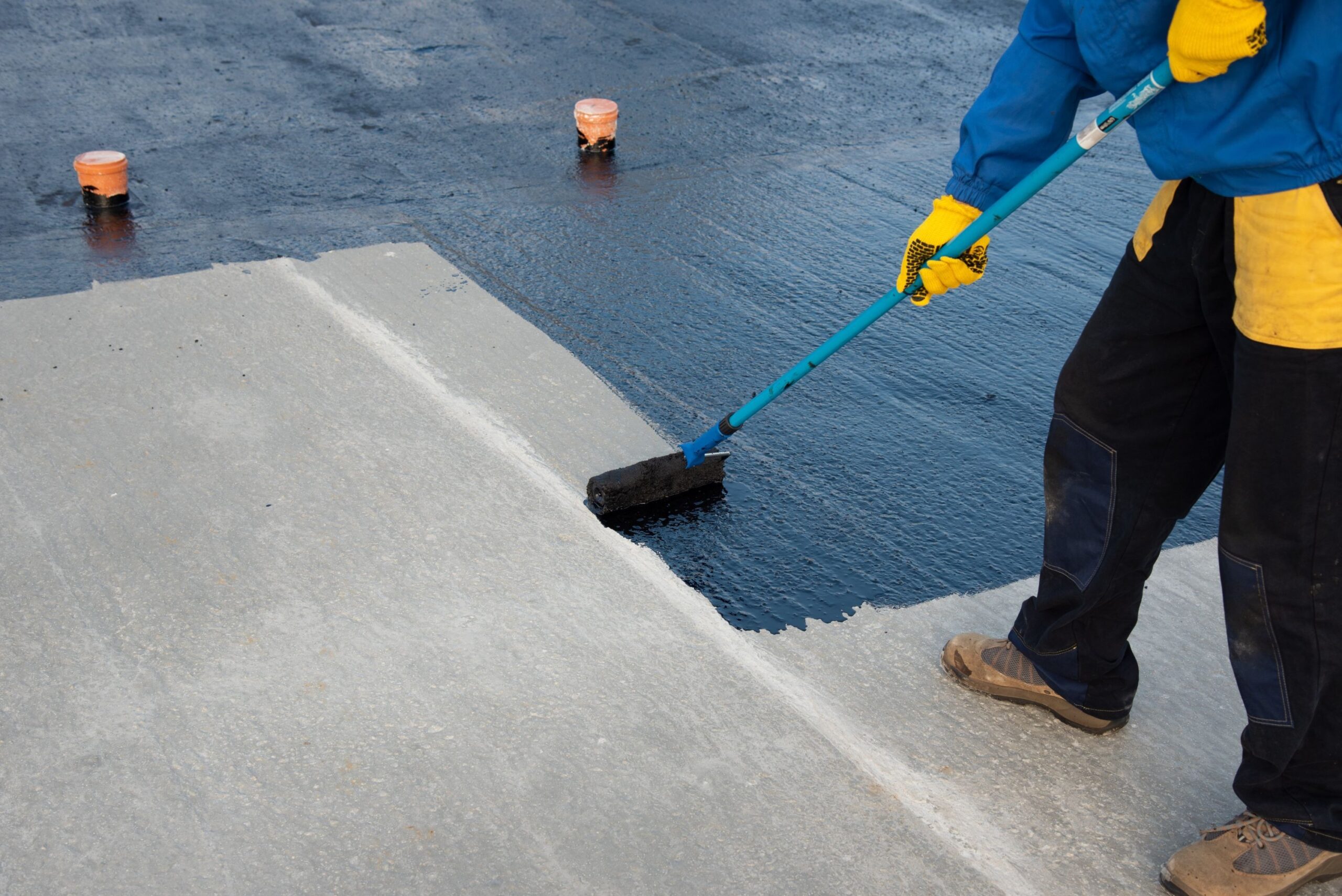
Thermoplastic polyolefin single-ply membrane with heat-welded seams, widely used on offices, retail, warehouses and multifamily roofs.
Fully adhered or mechanically attached TPO roofing systems installed to the manufacturer’s requirements.
Complete replacement of failing roofs, including wet insulation, deck repair and new flashings.
Seam welding, patches, flashing and penetration repairs by a commercial TPO roofing contractor.
Cleaning, seam repair and compatible coatings where the existing roof is dry and sound.
Inspection, drain cleaning and seam checks on a schedule, documented for your records.
Insulation, cover board and membrane chosen for the building, budget and energy requirements.
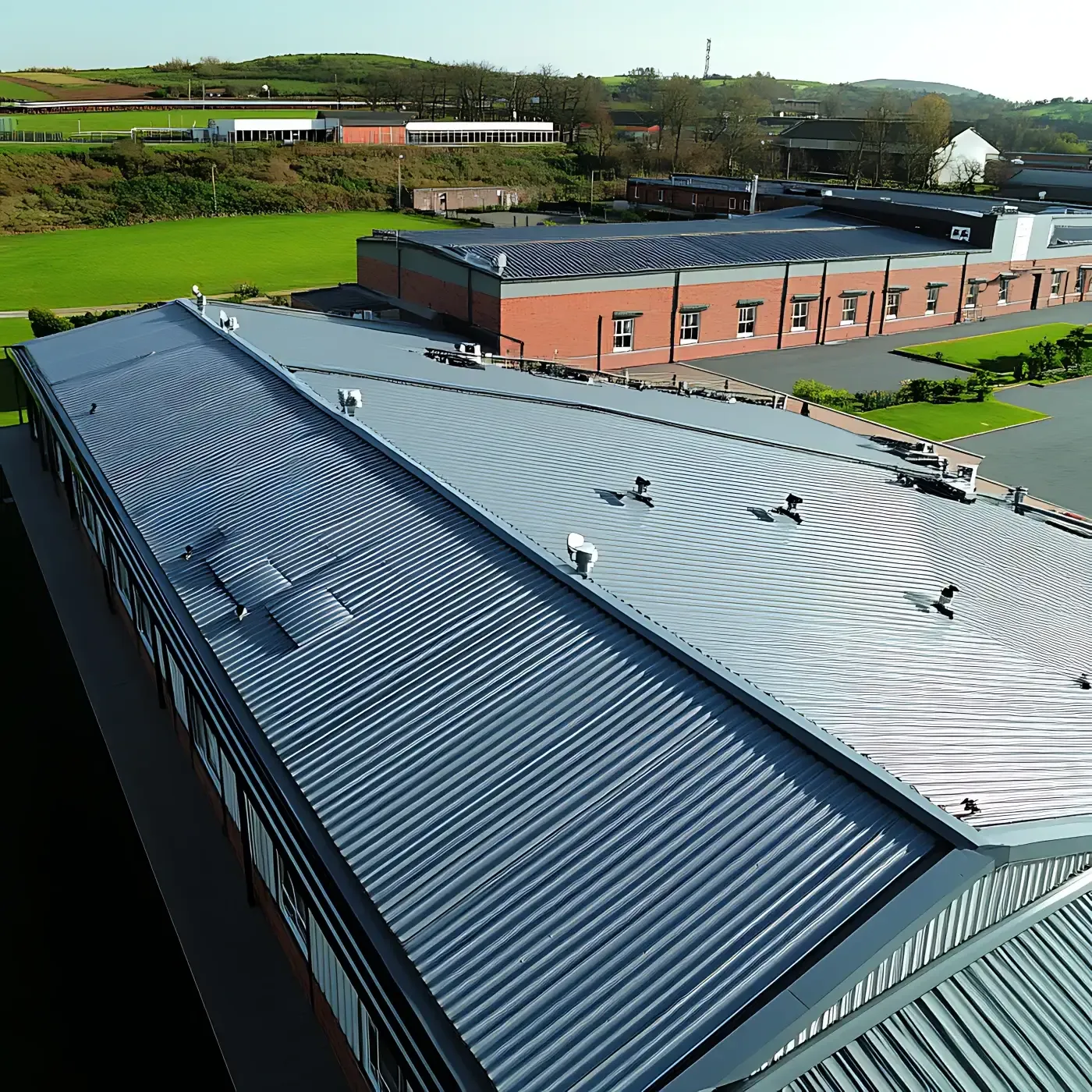
Polyvinyl chloride single-ply membrane with heat-welded seams, often chosen where roofs are exposed to grease, oils or chemicals.
PVC flat roof systems for buildings where chemical, grease or oil exposure matters.
Removal of failed roofing and installation of a new commercial PVC roofing system.
Heat-welded repairs, flashing and curb work by an experienced PVC roofing contractor.
Targeted repairs and restoration on roofs that still have useful life.
Preventive maintenance around kitchen exhaust, rooftop units and drains.
Membrane, insulation and attachment selected for the building and its use.
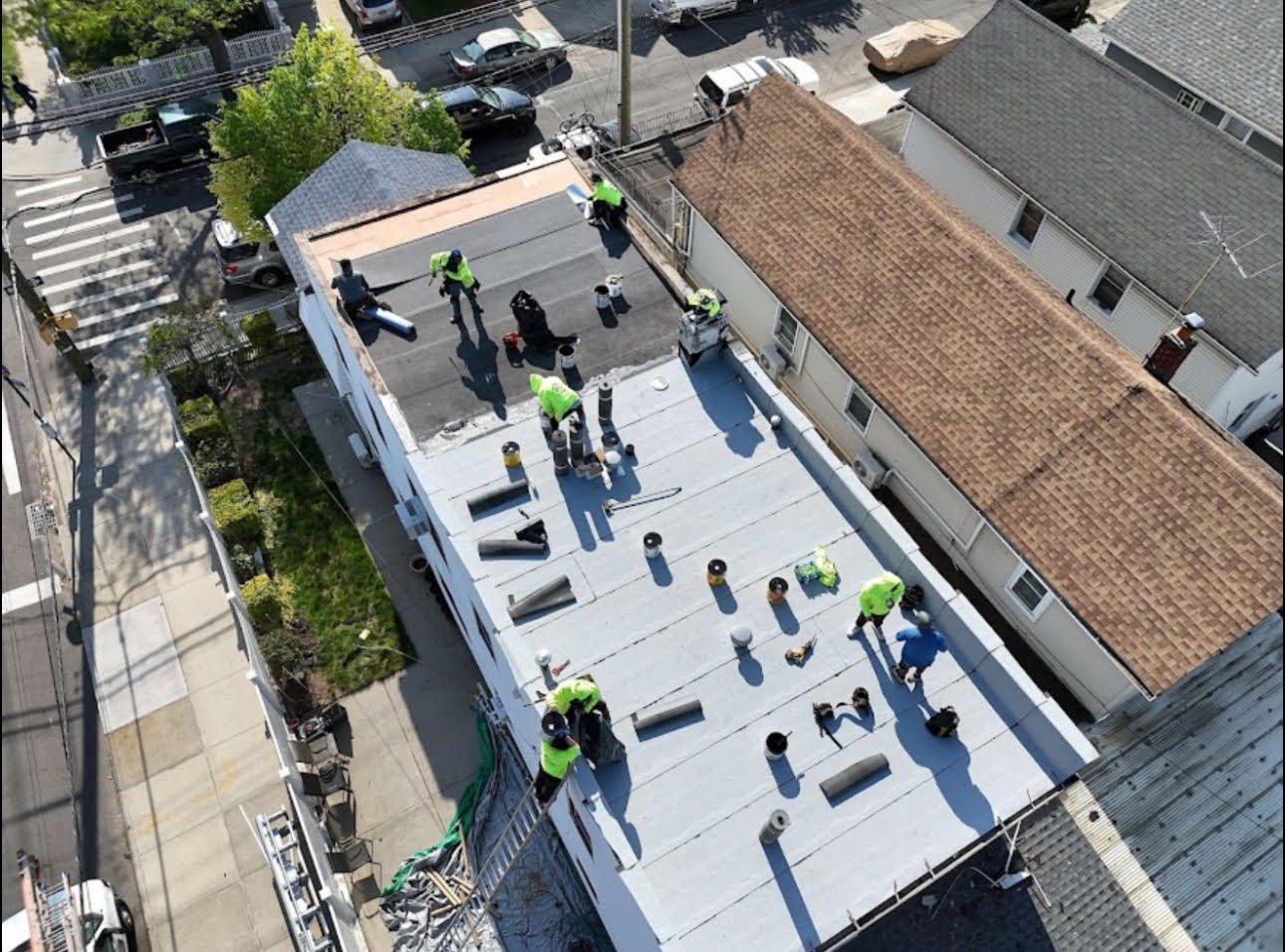
Large roof areas, heavy rooftop equipment and operations that cannot stop. Industrial roofing planned around the work happening below.
Leaks, seams, flashings, skylights and drainage on large low-slope roofs.
Phased tear-off or re-cover with new insulation and single-ply or coating systems.
New industrial building roofing for warehouses, plants and distribution buildings.
Condition surveys, moisture mapping and documented findings for planning.
Scheduled maintenance programs that protect inventory and operations.
Restoration and coatings where moisture surveys show the roof is a good candidate.
| TPO roofing | PVC roofing | |
|---|---|---|
| Membrane | Thermoplastic polyolefin single-ply | Polyvinyl chloride single-ply |
| Seams | Heat-welded | Heat-welded |
| Often chosen for | Offices, retail, warehouses and multifamily roofs | Restaurants, food processing and roofs exposed to grease, oils or chemicals |
| Surface | Commonly white and reflective | Commonly white and reflective |
The right membrane, thickness and attachment method depend on the building, the deck, rooftop use and the manufacturer’s requirements. We review the options with you before work begins.
Warehouses, plants and distribution buildings have large roof areas, heavy rooftop equipment and skylights. As an industrial roofing contractor, Summit plans industrial flat roofing work in phases, with protection for the space below.
Plan an Industrial Roof Project →Seams, punctures, flashings, curbs and drains on a roof that is otherwise sound.
Cleaning, seam repair and coatings that extend service life on a dry roof.
Tear-off or re-cover with a new TPO or PVC system when the roof has reached the end of its life.
Condition survey and moisture assessment.
Repair, restore, re-cover or replace, with options.
Schedule, access, safety and tenant coordination.
Roof system installed and inspected during the work.
Final walk, documentation and a maintenance plan.
Summit Building Group: CSLB #1122392 (B, C-39) · IICRC Certified Firm · Angelo Pacheco, Haag Certified Inspector, Commercial Roofs (HCI-C).
Both are single-ply membranes with heat-welded seams. PVC is often chosen where the roof is exposed to grease, oils or chemicals, such as restaurants. TPO is widely used on offices, retail and warehouses.
It depends on membrane condition and how much insulation is wet. A moisture assessment and condition survey show which option makes sense.
Sometimes. A re-cover depends on the number of existing roofs, the deck, wet insulation and code requirements. We confirm this during the assessment.
Yes. Work is phased and scheduled around operations, with protection for the space below.
Yes. Summit Building Group holds CSLB License #1122392, including the C-39 roofing classification.
TPO, PVC and industrial roofing across the Sacramento region.