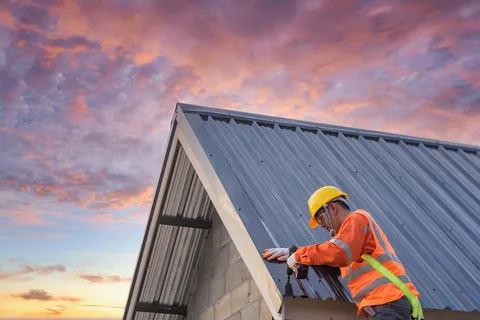
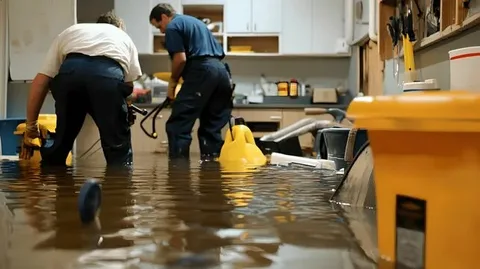
Water damage can turn a small household problem into a major repair issue when it is not handled quickly. A broken pipe, leaking water heater, overflowing appliance, roof leak, or unexpected flooding can send water into floors, walls, cabinets, insulation, and other hidden areas. Even when the visible water is gone, moisture may remain underneath flooring or inside wall cavities. Summit Building Group helps Sacramento property owners manage water-related damage through proper moisture removal, drying, cleanup, and repair planning. Taking action early can help protect building materials and reduce the chance of more expensive repairs later.
Quick Water Damage Assessment for Sacramento Properties
The first step after water enters a property is finding the source and checking how far the moisture has traveled. Professional Water restoration Services IN Sacramento, CA can include an inspection of floors, walls, ceilings, cabinets, insulation, and other affected materials. The U.S. Environmental Protection Agency recommends drying wet materials within 24 to 48 hours when possible because extended moisture can increase the risk of mold growth. A careful inspection also helps determine whether materials can be dried or need to be removed.
Water type also affects the restoration process. Water from a clean supply line is handled differently from sewage, contaminated water, or outdoor floodwater. Restoration professionals consider the source, amount of water, affected materials, and length of exposure before deciding on the proper cleanup approach. This can prevent unnecessary removal while making sure materials that cannot be safely restored are dealt with correctly.
Removing Standing Water Before It Causes More Damage
Standing water should be addressed quickly because it can continue soaking into porous building materials. Emergency Water Restoration Services may involve pumps, extraction equipment, moisture meters, air movers, and dehumidifiers. The right combination depends on the size of the affected area and the materials involved. Simply wiping up visible water may not be enough because moisture can move underneath flooring, behind baseboards, and into wall cavities.
For homes affected by storms, overflowing drains, or indoor flooding, Flood damage cleanup Sacramento may involve removing heavily saturated carpet padding, damaged drywall, insulation, or other porous materials. FEMA recommends drying homes and contents quickly and removing materials that cannot be properly cleaned and dried. Professional removal can also help prevent trapped moisture from creating additional problems after the surface appears dry.
Finding Hidden Moisture and Drying Wet Materials
Visible water is often only part of the problem. Water removal services should also focus on moisture that may be trapped beneath flooring or inside building assemblies. For example, a supply-line leak may leave a floor looking dry while the subfloor or underlayment remains damp. Moisture meters can help identify these areas and provide a better understanding of when the property is ready for repairs.
Repairing Sacramento Homes After the Drying Process
Once affected areas have been properly dried and inspected, the property can move into the repair stage. Residential water damage repair in Carmichael, CA may include replacing damaged drywall, trim, insulation, flooring, cabinets, baseboards, or paint. The final repair scope depends on the type of water, how long materials remain wet, and whether the affected components can be restored.
Some repair projects may also involve building permits or inspections. Sacramento County notes that projects submitted for permit beginning January 1, 2026, are subject to the 2025 California Building Standards Code. Property owners should confirm local requirements when restoration involves structural, plumbing, electrical, or other regulated construction work. Checking these requirements before reconstruction can help avoid delays.
Final Thoughts
Water damage should not be judged only by what can be seen. Moisture can travel beneath floors, behind walls, and into materials that are difficult to inspect without proper equipment. Fast water removal, careful drying, moisture monitoring, and appropriate repairs can help limit the overall impact on a property. Sacramento homeowners should identify the water source, document the damage, and obtain a clear restoration plan before major repair work begins. Summit Building Group can help property owners understand the restoration process and determine practical next steps for their damaged property.
FAQS
How soon should water damage be addressed?
Water damage should be addressed as quickly as possible once the property is safe to enter. The EPA recommends drying wet materials within 24 to 48 hours when possible. Fast action can help limit moisture-related problems and reduce the amount of material that may need replacement.
What tools are commonly used during water restoration?
Restoration professionals may use pumps, water extractors, air movers, dehumidifiers, and moisture meters. The equipment depends on the amount of water, the affected materials, and the size of the damaged area. Moisture readings can also help confirm whether drying is progressing properly.
Is it possible to save wet drywall?
Wet drywall can sometimes be dried when there is no visible swelling and the seams remain intact. However, drywall that is badly damaged, contaminated, or heavily saturated may need to be removed. The condition of the material and the type of water involved should guide the decision.
What determines the price of water restoration in Sacramento?
Several factors can affect the cost, including the size of the damaged area, water source, extraction requirements, drying duration, equipment, demolition, cleaning, and reconstruction. Getting a detailed written scope can make it easier to understand what each part of the restoration work will cost.
Are permits needed for water damage repairs?
Some restoration repairs may require permits when they involve structural changes, plumbing, electrical systems, or other regulated construction work. Requirements can vary by project and location, so Sacramento property owners should check applicable local rules before beginning reconstruction.