Refresh your Woodland, CA property with professional painting for interiors, exteriors, cabinets, trim, drywall preparation, staining, and protective coatings.
Painting can change the appearance of a home or commercial property quickly, but a dependable finish depends on preparation just as much as the final coat. Summit Building Group provides residential and commercial construction and improvement services throughout the Sacramento region, including interior painting, exterior painting, cabinet refinishing, staining, protective coatings, and surface preparation. Property owners may consider repainting because existing colors feel dated, exterior surfaces have become worn, walls have been damaged during remodeling, or a business needs a cleaner and more consistent interior. Before paint is applied, surfaces should be checked for cracks, loose material, stains, damaged drywall, failed coatings, and other conditions that can affect the finish. Homeowners and businesses in Woodland, Lincoln, and nearby communities should also consider color, sheen, room use, exterior exposure, trim details, and maintenance needs. This guide explains interior and exterior painting, preparation, cabinet refinishing, commercial projects, color planning, and practical steps that can help create a cleaner finished result.
Why Surface Preparation Matters
Professional painting services can include interior and exterior painting, cabinet refinishing, staining, protective coatings, drywall repair, preparation, and work for both residential and commercial properties.
Painting directly over damaged or poorly prepared surfaces can leave visible imperfections beneath the new finish. Loose paint, damaged drywall, cracks, rough patches, or old repairs may need attention first.
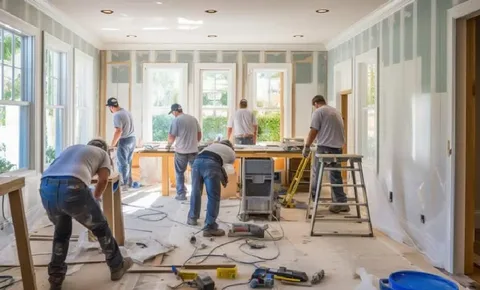
Preparation can involve cleaning, sanding, patching, repairing drywall, protecting surrounding areas, and creating an appropriate surface for the selected coating.
The exact process depends on what is being painted. Interior drywall requires different preparation from exterior siding, cabinets, trim, or previously coated wood.
Homeowners should ask how the existing surface will be prepared rather than focusing only on the number of paint coats.
A strong painting project starts with the condition underneath the visible finish.
Interior Painting for Everyday Living Spaces
Interior paint influences how rooms feel and how easily different areas of a home connect visually.
Living rooms, bedrooms, hallways, kitchens, offices, and other spaces may each benefit from different colors or finishes depending on lighting and use.
Choosing Color and Sheen
Color samples should be reviewed in the actual room whenever possible. Natural light, artificial lighting, flooring, cabinets, and furniture can change how a paint color appears throughout the day.
Sheen should also reflect the room. Walls exposed to frequent contact or cleaning may have different practical needs from ceilings or low-traffic spaces.
Trim, doors, and built-in features can be coordinated with wall colors without necessarily using the exact same finish.
Homeowners remodeling several rooms should consider the overall color flow before painting starts. Choosing every room independently can create abrupt transitions between connected spaces.
Exterior Painting and Property Appearance
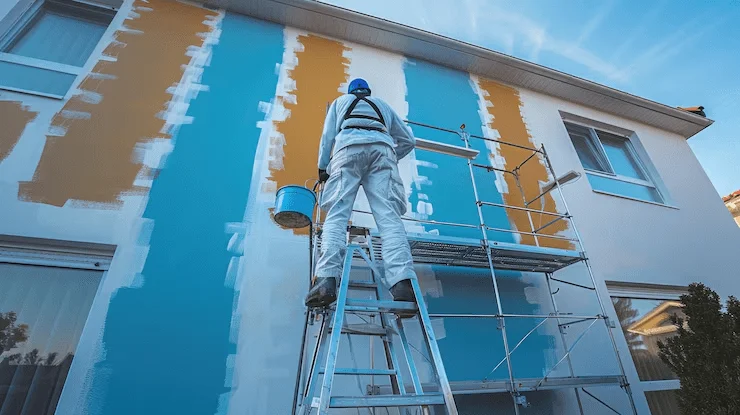
Exterior painting can update curb appeal while adding a finished coating to properly prepared building surfaces.
Before repainting, exterior areas should be checked for peeling material, cracks, damaged sections, dirty surfaces, and other conditions that may interfere with adhesion.
Preparation is particularly important where old coatings are already separating. Applying new paint over loose material does not correct the surface underneath.
Color selection should consider roofing, doors, windows, trim, masonry, landscaping, and nearby exterior features.
Homeowners should also decide whether they want a subtle update or a more noticeable design change. Body color, trim, doors, and accent areas can be coordinated to create a consistent exterior without making every surface identical.
Outdoor work should be planned around suitable application conditions and the requirements of the paint or coating being used.
Painting Services in Woodland, CA
Summit Building Group’s dedicated Woodland page specifically supports interior and exterior painting for homes, offices, individual rooms, and complete exterior updates.
Property owners considering painting services in Woodland, CA should begin by identifying which surfaces need work and whether any repairs should be completed before painting.
Interior projects may involve refreshing walls after years of regular use, updating colors during remodeling, or creating a more consistent appearance throughout connected rooms.
Exterior painting may involve siding, trim, doors, or other suitable surfaces depending on the property.
For commercial spaces, painting should also consider operating hours and how work will affect customers or employees. Completing sections in a planned sequence can make the project easier to manage.
The project scope should clearly identify which surfaces are included so walls, ceilings, trim, doors, cabinets, or exterior components are not left open to different expectations.
Painting Contractors in Lincoln, CA
The dedicated Lincoln page also supports interior and exterior painting for residential and commercial properties.
Homeowners looking for painting contractors in Lincoln, CA should evaluate both appearance and existing surface condition before choosing colors.
An interior wall with holes, dents, or previous patchwork may require additional preparation before repainting. Exterior surfaces may need cleaning, scraping, sanding, or other work depending on the condition of the old finish.
A complete repaint can also be coordinated with broader remodeling work. If new flooring, cabinetry, doors, trim, or other improvements are planned, the construction sequence should be considered before painting begins.
Painting too early can expose finished walls to additional construction damage, while waiting too long can make certain edges or areas harder to access.
Good sequencing helps the paint project fit smoothly into the larger renovation.
Cabinet Refinishing and Painting
Cabinet painting can change the appearance of a kitchen, bathroom, office, or built-in storage without automatically replacing every cabinet box.
The existing cabinet condition should be evaluated first.
Loose doors, damaged hardware areas, failing previous finishes, grease, and surface contamination can interfere with the finished result.
Cabinet surfaces also require more detailed preparation than simply rolling paint onto a wall.
Doors, drawer fronts, frames, edges, and hardware areas need a consistent process so the final finish looks coordinated.
Color should be considered alongside countertops, backsplash, flooring, appliances, and wall paint.
Homeowners should also think about long-term use. Cabinets are touched frequently, so the selected coating and preparation process should reflect that level of contact.
If the cabinet layout itself does not work well, refinishing can improve appearance but will not solve storage or functional problems.
Drywall Repair Before Painting
Paint can make a wall look cleaner, but it does not hide every defect.
Small holes, cracks, dents, rough patches, and damaged drywall may remain visible after painting if they are not prepared correctly.
Repairs should be completed and allowed to reach the proper condition before primer or finish paint is applied.
Previous patches may also need sanding or additional finishing so they blend more evenly with the surrounding wall.
Larger damage deserves closer evaluation because paint should not be used to hide an active moisture issue or structural problem.
If staining came from a roof leak, plumbing leak, or another source, the cause should be corrected first.
Repairing the visible wall without addressing the moisture source can allow the same problem to return after the room has been repainted.
Painting During Home Remodeling
Painting often works best as part of a coordinated renovation plan.
Kitchen and bathroom projects may involve new cabinets, drywall, trim, doors, flooring, plumbing fixtures, and electrical work. Paint should be scheduled so finished surfaces are protected from unnecessary damage during later construction.
Whole-home renovations require even more coordination.
Rooms may need to share related colors, trim finishes, and transitions so the final interior feels connected.
Homeowners should select major permanent finishes before finalizing paint. Flooring, cabinets, countertops, and tile usually remain in place longer than wall colors, making them useful reference points for the overall palette.
Touch-up expectations should also be discussed if additional trades will continue working after painting.
Clear sequencing can reduce repeated repairs and repainting.
Commercial Interior and Exterior Painting
Commercial painting projects can include offices, workspaces, retail areas, and other business properties.
The selected finish should fit how the area is used.
High-traffic spaces may require different maintenance considerations from private offices or low-contact walls.
Color can also influence how customers and employees experience the space. Businesses may want paint selections that coordinate with signage, branding, flooring, furniture, or existing architectural finishes.
Scheduling becomes particularly important on occupied commercial properties.
Work may need to be completed by area or around normal business operations. Access to entrances, customer spaces, workstations, or equipment should be discussed before the project begins.
Exterior commercial painting should also consider signage, doors, windows, landscaping, and other features that need protection during preparation and application.
Staining and Protective Coatings
Not every project uses traditional wall paint.
The Summit service page also includes staining and protective coating work for appropriate surfaces.
Wood features may use stain when property owners want to maintain more of the natural appearance and grain instead of creating an opaque painted finish.
Preparation remains important because old coatings, dirt, weathering, or inconsistent absorption can affect appearance.
Protective coatings may be considered for other suitable surfaces depending on the project.
Property owners should discuss the type of surface, current condition, intended use, and desired appearance before selecting a product.
A coating should be chosen because it is appropriate for the material and environment rather than simply because a particular finish looks attractive in a sample.
Preparing a Property for Painting
A little preparation by the property owner can make the work area easier to manage.
Furniture, wall decorations, and personal items may need to be moved from affected interior spaces. Contractors can explain how much clearance is required.
Exterior areas may need access around landscaping, patios, walkways, or stored items.
Homeowners should also identify any known wall damage, previous leaks, recurring cracks, or coating failures before work begins.
Colors and finishes should be finalized early enough that the correct products can be prepared for the project.
The written scope should clearly identify rooms and surfaces.
For example, “paint bedroom” may not automatically clarify whether ceilings, closets, doors, baseboards, and window trim are included.
Specific planning reduces confusion once preparation has already started.
Maintaining Freshly Painted Surfaces
Painted surfaces still need normal care after the project is complete.
Interior walls should be cleaned using methods suitable for the selected coating. Harsh scrubbing or unsuitable products can affect some finishes.
Furniture should be moved carefully near newly painted walls and trim.
Exterior surfaces should be observed for changes such as peeling, cracking, or damage that exposes the material underneath.
Leaks and moisture problems should also be addressed promptly. Paint is not a substitute for fixing water intrusion.
Homeowners can keep leftover paint information or color details for future touch-ups.
When repairs or later construction disturb a painted area, having the correct color and finish information can make matching easier.
Choosing a Painting Contractor
A professional painting proposal should explain both preparation and finishing work.
Ask which surfaces will be painted, what repairs or preparation are included, and which areas are excluded.
Homeowners should also understand how cabinets, floors, windows, fixtures, landscaping, furniture, and other nearby features will be protected during work.
For exterior projects, ask how existing loose or damaged coatings will be handled.
For interior work, discuss drywall repairs and whether ceilings, trim, doors, or closets are included.
Color and sheen selections should be confirmed before application begins.
If the painting is part of a larger renovation, the contractor should also understand which other trades will be working in the space.
A clearly defined scope makes it easier to evaluate the completed project and reduces uncertainty about which surfaces were intended to receive work.
Conclusion
Professional painting can refresh interior rooms, improve exterior appearance, update cabinets, and complete larger remodeling projects when surfaces are properly prepared before application.
For homeowners and businesses in Woodland and Lincoln, the strongest painting projects begin with evaluating the existing walls, trim, cabinets, siding, or other surfaces rather than focusing only on color.
Drywall damage, failed coatings, stains, cracks, and moisture concerns should be addressed before new paint is used to cover them.
Interior and exterior colors should also be planned around permanent finishes such as flooring, cabinetry, roofing, doors, windows, and architectural details.
By combining proper preparation, suitable materials, clear project sequencing, and thoughtful color selection, property owners can create a cleaner and more consistent finished appearance throughout the property.
Frequently Asked Questions
What painting services does Summit Building Group provide?
The company lists interior painting, exterior painting, cabinet refinishing, commercial and residential painting, staining, protective coatings, drywall repair, and preparation work.
Should damaged drywall be repaired before painting?
Yes. Holes, cracks, dents, and rough patches should be properly prepared so they do not remain visible beneath the new finish.
Can kitchen cabinets be painted instead of replaced?
Cabinet refinishing and painting may be an option when the existing cabinets remain suitable. Painting changes appearance but does not correct an inefficient cabinet layout.
What should I choose first during a remodel: paint or flooring?
Major permanent finishes such as flooring, cabinets, countertops, and tile can help guide paint selections. The actual installation sequence should be coordinated with the complete remodeling project.
Can exterior paint be applied over peeling paint?
Loose or failing material generally requires proper preparation before new coating is applied. Painting directly over unstable surfaces can affect the finished result.
What should be included in a painting estimate?
A clear scope should identify which surfaces are included, preparation or repairs, rooms or exterior areas being painted, trim or door work where applicable, and other important project details.