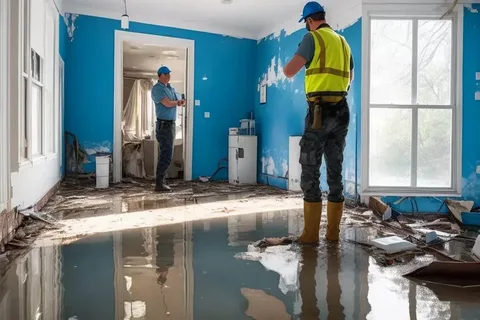
Unexpected water damage can quickly turn into a serious property problem when moisture moves beyond the visible area. Water from a broken supply line, overflowing appliance, damaged roof, plumbing failure, or interior flooding can soak into flooring, drywall, cabinets, insulation, subfloors, and structural framing. Even after puddles are removed, moisture may remain trapped inside wall cavities or beneath finished surfaces. Summit Building Group assists Sacramento homeowners and property managers with professional water restoration services designed to identify affected materials, remove unwanted water, control moisture, dry the structure, and restore damaged areas. Addressing both visible and concealed moisture is important for protecting the condition of the property and preventing the damage from becoming more extensive.
Prompt Water Damage Assessment in Sacramento
The first step after water damage is identifying the source and understanding how far moisture has traveled. Professional Water restoration IN Sacramento, CA typically begins with an inspection of affected rooms, flooring systems, drywall, baseboards, cabinets, wall cavities, and nearby materials. Moisture-detection equipment can help locate damp areas that may not be visible during a basic inspection.
The U.S. EPA recommends drying wet materials within approximately 24 to 48 hours whenever practical because extended moisture exposure can encourage mold growth. The type of water involved also affects the restoration approach. A clean-water plumbing leak usually requires different procedures than sewage backup or contaminated outdoor floodwater. Restoration professionals evaluate material condition before deciding what should be dried, cleaned, repaired, or removed. Drywall that remains structurally sound may sometimes be dried, while swollen, deteriorated, or contaminated sections may need replacement.
Water Extraction and Controlled Drying
Removing standing water is an important first stage, but extraction alone does not mean the building is completely dry. Water Damage Restoration services may involve pumps, commercial extraction equipment, moisture meters, air movers, and dehumidifiers. The combination of equipment depends on the amount of water present, the affected materials, and how deeply moisture has entered the structure.
For properties affected by heavy rain or interior flooding, Flood damage cleanup Sacramento services may also involve removing saturated carpet padding, damaged insulation, deteriorated drywall, or porous materials that cannot be safely restored. FEMA recommends drying homes and their contents promptly while removing flood-damaged materials that cannot be adequately cleaned and dried.
Professional Water removal services also focus on moisture that remains beneath flooring or behind finished surfaces. For example, a kitchen floor may appear dry after an appliance leak while the underlayment or subfloor remains wet. Repeated moisture measurements allow restoration crews to determine whether additional drying is necessary before reconstruction begins.
Structural Drying and Interior Restoration
Proper structural drying requires more than simply placing several fans inside a room. Structural drying services may include controlled airflow, dehumidification, temperature management, equipment repositioning, and regular moisture monitoring. These steps help draw moisture from building materials while reducing excess humidity inside affected rooms.
After moisture levels return to acceptable conditions, repair and reconstruction can begin. Residential water damage repair in Carmichael, CA may include replacing damaged drywall, insulation, baseboards, flooring, trim, cabinetry, or painted surfaces. The amount of reconstruction required depends on the water source, duration of exposure, contamination level, and condition of individual materials.
Sacramento County requires permit applications submitted from January 1, 2026, to comply with the 2025 California Building Standards Code. Restoration projects involving structural modifications, electrical systems, plumbing, or other regulated construction may therefore require appropriate permits and inspections depending on the scope of work.
Conclusion
Water damage should be handled as a building-wide moisture issue rather than only a visible cleanup problem. Removing water, identifying concealed moisture, drying affected materials, monitoring conditions, and completing repairs in the correct sequence can help reduce additional damage.
Sacramento property owners should identify the source whenever possible, document affected areas, and request a clear restoration plan before reconstruction starts. Summit Building Group can evaluate damaged areas and help determine practical steps for drying, repairing, and restoring the property.
Frequently Asked Questions
1. When should water restoration begin after a leak?
Water removal should begin as soon as the area is safe to enter. The EPA recommends drying wet materials within 24 to 48 hours whenever possible to help reduce moisture-related problems and mold development.
2. What tools are commonly used during water restoration?
Restoration crews may use extraction machines, pumps, air movers, commercial dehumidifiers, thermal or moisture-detection tools, and moisture meters. The exact equipment depends on the amount and location of water.
3. Does water-damaged drywall always need replacement?
Not necessarily. Drywall that remains firm, uncontaminated, and structurally intact may sometimes be dried, while swollen, weakened, heavily saturated, or contaminated sections generally require removal and replacement.
4. What influences water damage restoration costs?
Pricing depends on affected square footage, water type, drying time, equipment, demolition, cleaning, and reconstruction needs. Requesting an itemized estimate can make the overall restoration cost easier to understand.
5. Are permits necessary for water damage repairs in Sacramento?
Minor drying or cosmetic work may not require permits, but structural, plumbing, electrical, or other regulated repairs can. Permit requirements depend on the exact scope of the restoration and reconstruction project.