
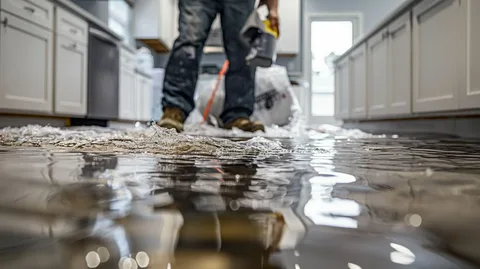
Water inside a home can spread through flooring, drywall, cabinets, insulation, and framing. A leaking appliance, burst pipe, roof leak, or indoor flood may leave damage beyond the area you first notice. Summit Building Group helps Sacramento property owners respond with Water restoration services focused on removing moisture, drying affected materials, and repairing damaged spaces. Hidden moisture can remain behind walls or below flooring after surface water disappears.
Fast Response to Water Damage in Sacramento
A prompt inspection helps determine where the water came from and how far it traveled. Professional Water restoration Services IN Sacramento, CA work starts with checking affected rooms, moisture levels, flooring, wall cavities, and nearby building materials. The U.S. EPA advises drying wet areas and materials within 24 to 48 hours when possible because prolonged moisture can support mold growth.
Water from a clean plumbing leak may need a different cleanup plan from sewage or outdoor floodwater. Crews assess the source before choosing equipment or removing materials. Wet drywall may sometimes dry in place, yet swollen drywall or damaged seams can require removal. EPA water-damage guidance supports checking the condition of wallboard before deciding whether it can remain.
Extraction, Cleanup, and Moisture Control
Standing water should be removed before focused drying begins. Emergency Water Restoration Services may use pumps, extraction units, moisture meters, air movers, and dehumidifiers based on the amount of water and materials involved. Removing surface water does not mean the structure is dry. EPA guidance describes extraction, dehumidification, and air movement as common parts of drying water-damaged materials.
For stormwater or indoor flooding, Flood damage cleanup Sacramento work may include removing saturated carpet pad, drywall, contaminated porous items, or ruined insulation. FEMA advises drying a home and its contents quickly and removing flood-damaged materials that cannot be cleaned and dried properly.
Professional Water removal services should address visible water and moisture trapped below finishes. A Sacramento homeowner may see a dry floor after a supply-line leak, yet the underlayment and subfloor can stay damp. Moisture readings help crews decide whether drying should continue before repair work starts.
Structural Drying and Property Repairs
Drying equipment needs proper placement and monitoring. Structural drying services can involve air movement, dehumidification, controlled temperature, and repeated moisture checks. EPA guidance notes that dehumidifiers and fans can speed drying for many clean-water situations.
Once damaged areas are dry, repair work can begin. Residential water damage repair in Carmichael, CA may involve replacing drywall, baseboards, insulation, flooring, cabinetry, paint, or trim. The scope depends on how long materials stayed wet and the type of damage found.
Sacramento County states that projects submitted for permit from January 1, 2026 must follow the 2025 California Building Standards Code. Repairs involving regulated structural, electrical, plumbing, or other building work may need permits or inspections based on project scope.
What Affects Water Restoration Cost?
Price depends on the wet area, water category, drying time, equipment, access, demolition, and repair materials. A small clean-water leak caught early may require extraction and drying. A larger loss affecting several rooms can involve removal, cleaning, drying, and reconstruction.
Insurance coverage varies by policy and cause. Document affected rooms, damaged materials, and completed work, then request a written scope separating water removal, drying, demolition, cleaning, and repairs.
Contractor credentials matter when reconstruction begins. California’s Contractors State License Board provides a public license-check service for reviewing contractor information before signing a contract. A restoration-focused company such as Summit Building Group can coordinate drying with repairs under one clear plan.
Final Thoughts
Water damage can extend beyond the first visible stain or puddle. Checking hidden moisture, removing standing water, drying materials, and repairing damaged finishes in the right order can reduce later problems. Sacramento property owners should document the loss, identify the source, and request a clear restoration plan. If your property needs assessment and repair planning, contact Summit Building Group to discuss practical next steps.
Frequently Asked Questions
1. How quickly should water damage be cleaned in Sacramento?
Start water removal as soon as conditions are safe. The EPA recommends drying wet materials within 24 to 48 hours when possible to reduce the chance of mold growth. Larger losses may need extraction, dehumidification, and moisture checks.
2. What equipment is used for water restoration?
Crews may use water extractors, pumps, air movers, dehumidifiers, moisture meters, and other drying equipment. Equipment selection depends on the water source, affected materials, room size, and moisture depth.
3. Can wet drywall be saved after a leak?
Sometimes. EPA guidance says drywall may dry in place when there is no obvious swelling and the seams remain intact. Damaged, contaminated, or heavily saturated drywall may need removal so the cavity can dry.
4. How much do water restoration services cost in Sacramento?
Costs vary with affected square footage, water source, extraction needs, drying time, demolition, sanitation, and reconstruction. Ask for a written estimate that separates emergency water work from later repairs so each part of the project is clear.
5. Do water damage repairs require permits in Sacramento?
Some repairs can require permits when structural, electrical, plumbing, mechanical, or other regulated work is involved. Sacramento County applies the 2025 California Building Standards Code to permit applications submitted from January 1, 2026.


